How to Repair Sunken Concrete the Right Way
October 3, 2026
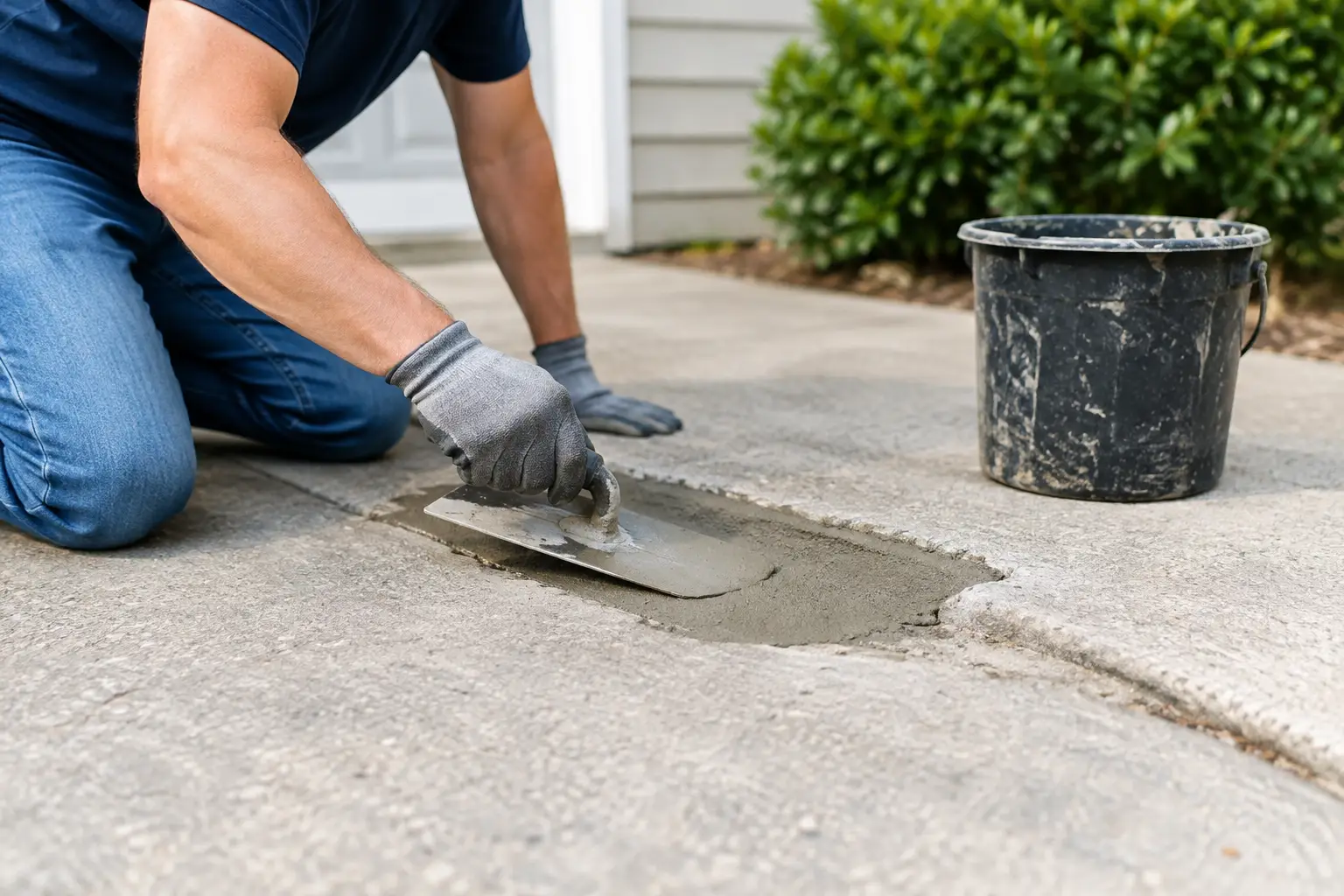
A driveway slab that drops an inch may look like a minor cosmetic issue at first. Then the tires hit the edge every day, water begins pooling near the garage, and the trip hazard becomes hard to ignore. To repair sunken concrete properly, the real goal is not simply making the surface look level again. It is correcting the conditions beneath the slab so the repair has a fair chance of lasting.
For Bakersfield homeowners, property owners, and commercial clients, sunken concrete is a common problem with several possible causes. A dependable repair starts with an honest site evaluation, clear options, and workmanship that respects how the concrete is used every day.
Why Concrete Sinks in Bakersfield
Concrete is strong in compression, but it cannot support itself once the soil below it shifts, washes away, or settles. In Kern County, dry conditions, seasonal irrigation, expansive soil, and temperature swings can all contribute to movement beneath driveways, walkways, patios, and pool decks.
Water is often part of the story. A leaking sprinkler line, downspout discharge, poor drainage, or overwatering near a slab can soften or erode the supporting soil. Once a void forms, the concrete may crack or settle under its own weight and regular traffic.
Compaction is another frequent factor. If fill soil was not adequately compacted before the concrete was poured, it can gradually settle over time. This is especially relevant around newer construction, additions, utility trenches, and areas where landscaping was installed after the slab.
Tree roots can also lift or shift concrete, while poor grading may direct water toward the very areas that need to stay dry. The visible dip is the symptom. The source of the movement is what determines the right repair.
When Sunken Concrete Needs Attention
Not every small change in elevation calls for immediate replacement. However, it is wise to schedule an evaluation when a settled slab creates a trip point, prevents proper drainage, affects vehicle access, or pulls away from a structure.
Pay close attention to slabs near garages, foundations, doors, and pool areas. Water flowing toward a building can lead to bigger concerns than an uneven surface. For commercial properties, uneven walkways and entry areas can also create liability concerns and leave a poor impression on customers, tenants, or visitors.
Cracks matter, but their type and movement matter more. A stable hairline crack in an otherwise level patio may be largely cosmetic. A wide crack combined with a noticeable drop on one side usually signals a support issue below the concrete. A qualified concrete contractor can help determine whether leveling is appropriate or whether removal and replacement is the safer long-term choice.
Repair Sunken Concrete With the Right Method
The best way to repair sunken concrete depends on the slab condition, the cause of settlement, access to the area, and how much load the concrete carries. A patio and a heavily used commercial driveway should not be evaluated by the same standard.
Concrete Leveling
Concrete leveling raises an existing slab by filling voids underneath it. Depending on the project, a contractor may use a cement-based grout mixture or polyurethane foam. Small access holes are drilled through the slab, and the material is injected carefully to lift the concrete back toward its intended elevation.
This approach can be a strong option when the concrete surface is still in good condition and the slab has not broken into badly displaced pieces. It is typically faster and less disruptive than demolition. In many cases, the area can return to service sooner than a full replacement project.
Cement-based leveling, often called mudjacking or slabjacking, uses a heavier grout material. It can work well for many residential and commercial slabs, especially where substantial support is needed. Polyurethane foam is lighter and can be useful when precise lifting, quick curing, or limited access is a priority. The right choice depends on the site, not a one-size-fits-all sales pitch.
Leveling does have limits. It will not restore concrete that is severely cracked, crumbling, or structurally compromised. It also cannot solve an active water leak or ongoing drainage problem by itself. Those conditions should be addressed before or alongside the lifting work.
Removal and Replacement
Replacement is often the better investment when a slab has extensive cracking, major surface deterioration, poor thickness, or significant root damage. It may also be necessary when the existing concrete was installed with weak reinforcement, improper slope, or unsuitable base preparation.
A quality replacement project begins below the finish surface. The old concrete is removed, unstable material is addressed, and the base is prepared and compacted for the new slab. Proper grading, reinforcement where appropriate, control joints, and correct thickness all help create a more dependable result.
Replacement also gives property owners an opportunity to improve the design. A plain, damaged patio can become a larger outdoor living space. An aging driveway can be reconfigured for better access and curb appeal. Decorative finishes, borders, stamped concrete, and custom layouts may make sense when the existing slab is no longer worth saving.
Do Not Ignore the Drainage Question
A concrete repair can only perform as well as the ground supporting it. Before lifting or replacing a sunken slab, look for where water travels during irrigation and after rain. The goal is to keep water moving away from buildings and out from under the concrete.
Four site details deserve close attention:
- sprinkler heads or irrigation lines that soak slab edges
- downspouts that discharge directly beside concrete
- landscape grading that directs water toward the home or garage
- plumbing leaks or damaged drains below nearby slabs
In Bakersfield, an irrigation adjustment can be just as important as the concrete work itself. A beautiful new driveway will not stay level if water repeatedly saturates the soil beneath one side. A professional evaluation should account for these conditions rather than treating the concrete surface as an isolated problem.
Can You Level Concrete Yourself?
Some minor repair products are marketed to homeowners, but DIY leveling is rarely the best answer for a settled driveway, walkway, or patio. Raising concrete requires understanding slab weight, void locations, adjacent structures, drainage, and the risk of lifting one section too far.
A poor attempt can crack the slab further, create an uneven slope, damage nearby finishes, or leave unsupported areas below the surface. Filling a visible gap at the edge also does not mean the slab is supported throughout. The void may extend farther underneath than expected.
For small cosmetic chips or narrow stable cracks, homeowner repairs can sometimes be reasonable. For a slab that has visibly dropped, rocks underfoot, holds water, or separates from a structure, bringing in an experienced contractor is usually the more cost-conscious move. It helps avoid paying twice for a repair that did not address the cause.
What to Expect From a Professional Repair
A straightforward process should begin with a site visit and an estimate based on the actual conditions. The contractor should inspect the amount of settlement, crack patterns, drainage, access, nearby utilities, and whether the slab can be safely lifted.
If leveling is recommended, the work area is prepared and the slab is raised in controlled stages. The access holes are patched after the lift, and the final surface is checked for transitions, drainage, and safe use. If replacement is the better solution, the estimate should explain the scope of demolition, base preparation, concrete placement, finish, joints, and curing considerations.
National Concrete approaches these projects with the same focus we bring to new driveways, patios, walkways, and commercial concrete work: quality craftsmanship, clear communication, and a job done with integrity. A level surface should look right, drain correctly, and feel solid under daily use.
If you have noticed a low spot in your driveway, a tilted patio, or a walkway that has become a trip hazard, do not wait for the gap to grow. A local evaluation can clarify whether your concrete can be leveled or whether a properly built replacement will give your property the lasting result it deserves.