Patio Color Ideas That Work in Bakersfield
October 19, 2026
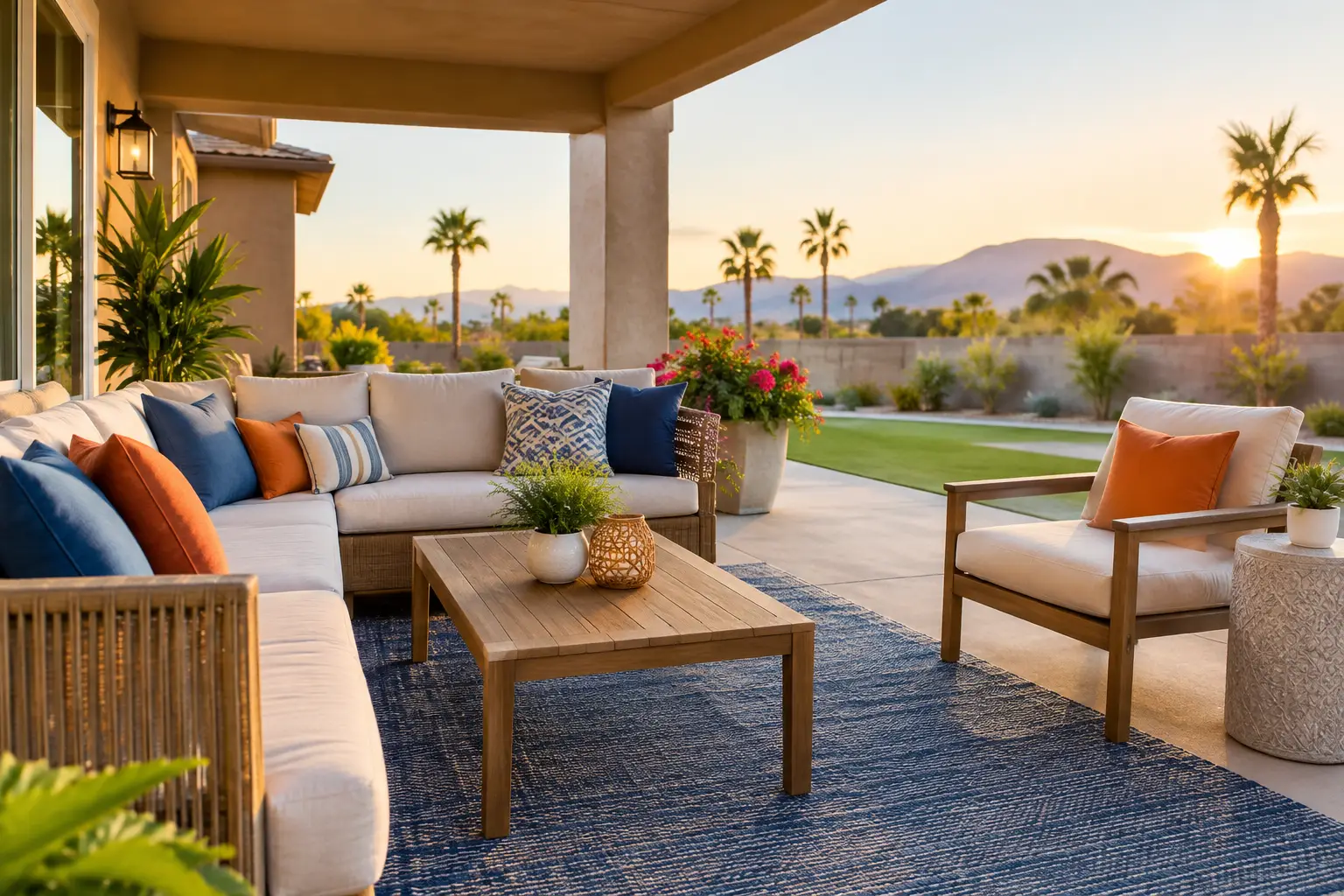
A patio can be perfectly poured and still feel unfinished if the color is wrong for the home, landscaping, or bright Kern County sun. The best patio color ideas do more than make concrete look decorative. They help the space feel cooler, cleaner, larger, and better connected to the rest of the property.
For Bakersfield homeowners, color selection needs to account for more than a sample board. Heat, intense sunlight, dust, pool traffic, pets, and the style of the home all matter. A dependable concrete contractor can help turn a color preference into a finish that looks great when it is newly installed and still makes sense years later.
Start With the Colors Already on Your Property
A patio should complement the house rather than compete with it. Look at the dominant colors around the project area: exterior stucco or siding, roof tile, trim, fencing, block walls, pool coping, and existing hardscape. The goal is not necessarily to match every surface exactly. It is to choose a concrete color that makes those elements look intentional together.
Warm homes often pair naturally with sand, tan, buff, adobe, terracotta, and medium brown concrete. These colors work especially well with Spanish, ranch, and Mediterranean-influenced homes common throughout Bakersfield. They also tend to blend smoothly with desert-friendly landscaping, decomposed granite, and natural stone accents.
Homes with white, charcoal, black, blue-gray, or modern neutral exteriors can support cooler patio tones. Soft gray, greige, taupe, and charcoal accents create a cleaner contemporary look without making the entire outdoor area feel too dark. A light gray patio with darker charcoal border details is a popular way to add definition while keeping the main surface comfortable underfoot.
Before finalizing a color, consider the patio from inside the house as well. Large sliding doors, kitchen windows, and living room views make the patio part of the interior sightline. A color that works with indoor flooring can make the transition outside feel much more polished.
Patio Color Ideas for Bakersfield Sun and Heat
The Central Valley sun changes how concrete colors perform. Darker surfaces absorb more heat, which can make a patio less comfortable for bare feet, children, and pets during summer afternoons. Dark concrete can look striking, but it is often best used as an accent, border, or pattern color instead of covering an entire exposed patio.
Light sand and cream tones
Light sand, cream, and warm beige are practical choices for many Bakersfield patios. They reflect more sunlight than deep browns or charcoals and create an open, inviting appearance. These shades work well around pools, covered patios, and backyard gathering areas where comfort matters as much as curb appeal.
The trade-off is that very pale concrete can show mud, food spills, leaf stains, and tire marks more easily. A slightly deeper beige or a variegated finish usually provides a better balance between brightness and everyday maintenance.
Warm tan, taupe, and desert brown
Earth-toned concrete is one of the safest and most versatile directions for local homes. A warm tan or taupe patio hides dust better than bright white while staying noticeably cooler than dark brown. Desert brown colors can add depth, particularly when paired with a lighter base color or a textured stamped pattern.
These shades are a strong fit for properties with mature landscaping, block walls, natural stone, or warm stucco. They also age gracefully because normal outdoor wear tends to be less obvious than it is on stark gray or very light cream surfaces.
Gray and greige neutrals
Gray patios are no longer limited to industrial-looking spaces. Light gray and greige, which combines gray and beige undertones, can make a backyard feel current without becoming trendy too quickly. They pair well with black metal patio furniture, white pergolas, composite fencing, and clean-lined outdoor kitchens.
Pure cool gray can sometimes look blue in bright sun or clash with a warm-toned home. Greige is often the more forgiving option because it has enough warmth to work with both modern and traditional exteriors. For a stronger design statement, use a medium gray field with a charcoal border or control-joint detail.
Add Depth With Decorative Concrete Color
Color does not have to mean one flat shade across the entire patio. Decorative concrete gives homeowners room to create contrast, movement, and a more custom appearance without sacrificing the durability concrete is known for.
Stamped concrete with antiquing color
Stamped concrete can replicate the look of stone, slate, tile, brick, or wood plank while offering a solid, continuous concrete surface. The most natural-looking stamped patios typically use a base color plus a secondary antiquing release color. For example, a warm tan base with darker brown highlights can give a slate or travertine-style pattern more visual depth.
This layered approach is especially useful when the patio needs to complement natural stone or existing pavers without attempting an exact copy. The finish should be selected carefully, though. Heavy contrast can look dramatic in a small sample and overly busy across a large patio. On expansive projects, subtle variation usually has more staying power.
Borders and banding
A contrasting border is one of the most effective patio color ideas for creating a finished look. A darker perimeter can frame the patio, define a dining area, or tie the concrete to a nearby walkway, pool deck, or driveway. It can also provide a visual break between the patio and surrounding landscaping.
Borders work well in both traditional and modern designs. A warm brown band around a tan patio feels classic, while a charcoal band around a soft gray patio feels more contemporary. The key is restraint. One complementary accent color is usually enough to create a custom result.
Integral color versus topical color
Integral color is mixed into the concrete before it is poured, so the color runs throughout the slab. It provides consistent base color and is a practical choice for new patios, especially when combined with a quality sealer. Topical stains and color hardeners can create more pronounced variation, richer effects, or decorative detail.
Neither option is automatically better. Integral color is excellent for a uniform, dependable foundation, while stains and hardeners offer more artistic flexibility. The right choice depends on the desired finish, the condition of the concrete, exposure to sunlight, and how much variation the homeowner wants to see.
Consider Texture Before Choosing a Finish Color
Color and texture should be planned together. A smooth patio may make color appear cleaner and more uniform, but it can be slippery when wet if it is used near a pool or outdoor kitchen. A broom finish adds traction and gives color a more casual, understated character.
Stamped textures create shadows and highlights that naturally change how color appears throughout the day. A medium tan stamped patio can look lighter in direct morning sun and richer under evening shade. This variation is part of the appeal, but homeowners should expect it rather than assuming the entire surface will look identical to a small color sample.
For pool decks, safety and heat management should guide the design. Lighter colors and slip-resistant textures are generally more comfortable and practical. For covered patios, deeper colors may be easier to use because shade reduces heat buildup and sun fading.
Avoid These Common Patio Color Mistakes
Choosing a patio color from a phone screen is risky. Digital images vary widely based on lighting, camera settings, and display brightness. Whenever possible, review physical samples outside next to the house at different times of day.
Another common mistake is choosing a color only because it is popular. Charcoal gray, bright white, and heavily variegated stamp patterns can look excellent in the right setting, but they are not universal solutions. Consider how the color will handle dust, irrigation overspray, tree debris, pool water, and the amount of direct sun the patio receives.
Finally, avoid treating sealer as an afterthought. Some sealers deepen the concrete color and create a wet-look effect, while others leave a more natural matte appearance. The sealer choice can noticeably change the final result, so it should be part of the conversation before work begins.
Choose a Patio Color With Long-Term Confidence
A well-chosen patio color should make the backyard feel like an extension of the home, not a separate slab behind it. The best option may be a soft neutral that lets furniture and landscaping stand out, or it may be a custom stamped design that becomes the centerpiece of the space.
At National Concrete, we help Bakersfield property owners consider the full picture: home style, sunlight, intended use, texture, maintenance expectations, and the level of visual impact they want. A clear plan before the pour makes the project easier and helps ensure the finished patio is something you will be proud to use every season.
Choose a color that fits how you actually live outdoors, then build the patio with craftsmanship strong enough to keep up.