
When to Seal Concrete for Lasting Protection
September 11, 2026
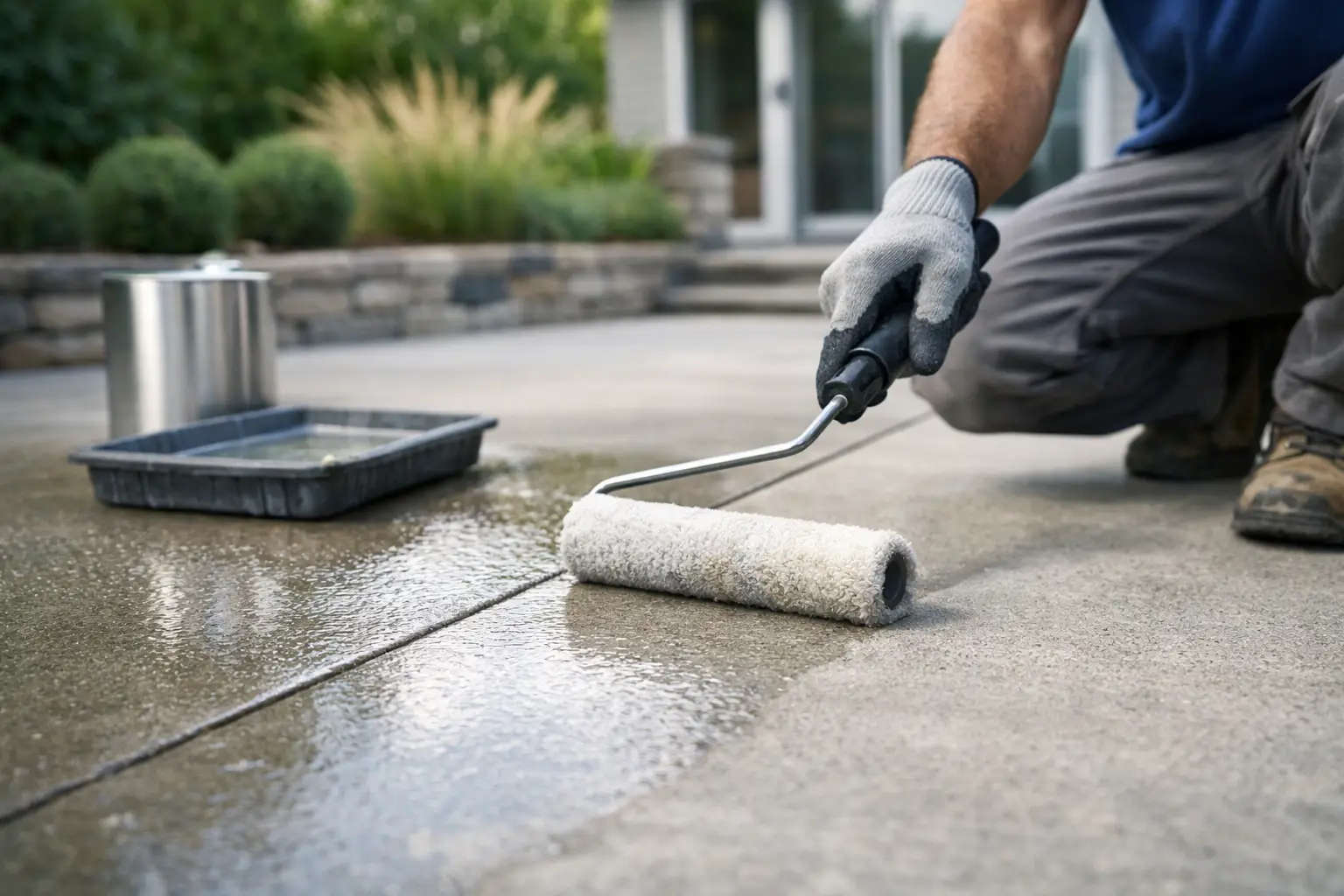
A concrete driveway can look nearly perfect on Monday and start showing dusty wear, water marks, or stubborn oil spots months later. Knowing when to seal concrete gives your surface the best chance to resist that wear before it becomes an expensive cleaning or repair issue. For Bakersfield homes and commercial properties, timing matters just as much as choosing the right sealer.
Concrete is durable, but it is not naturally waterproof or stain-proof. Its surface contains tiny pores that can absorb water, vehicle fluids, pool chemicals, dirt, and contaminants. A properly selected and applied sealer helps protect those pores while preserving the look and performance you expect from a driveway, patio, walkway, pool deck, or decorative concrete installation.
When to Seal New Concrete
Most new concrete should cure for about 28 days before sealing. That curing period gives the slab time to gain strength and release much of the moisture created during placement. Sealing too early can trap moisture under the product, leading to a cloudy appearance, peeling, whitening, or uneven adhesion.
The 28-day rule is a dependable starting point, not an automatic green light for every slab. The best timing depends on the concrete mix, weather during installation, the curing method used, and the type of sealer selected. Some penetrating sealers may be suitable sooner under the right conditions, while certain film-forming products need a fully cured, dry surface to perform well.
For stamped concrete, colored concrete, and exposed aggregate, the timing and sealer system deserve extra attention. These finishes are designed to be seen, and a rushed application can leave behind roller marks, trapped moisture, or an inconsistent sheen. A professional concrete contractor can confirm whether the slab is ready and recommend a product that supports the intended color and finish.
Do Not Confuse Curing With Drying
A slab can feel dry on top but still hold moisture below the surface. Concrete continues curing after the initial set, and moisture moves through the slab over time. That is why sealing a surface simply because it feels hard or looks dry is risky.
Curing compounds can also affect the schedule. If a curing compound was applied, it may need to wear away or be removed before certain sealers can bond correctly. Applying a new coating over an incompatible curing product is one of the most common reasons sealers fail prematurely.
Best Weather for Sealing Concrete in Bakersfield
In Kern County, dry weather often makes concrete sealing easier than it is in wetter climates. Still, Bakersfield heat creates its own set of challenges. Avoid applying sealer to a scorching slab in direct afternoon sun. When concrete is extremely hot, sealer can flash dry before it has time to penetrate or level out, leaving lap marks, streaks, or a blotchy finish.
A mild, dry day is usually best. The surface should be clean and dry, with no rain expected during the product’s recommended drying window. Morning can be a smart application time once dew has evaporated, especially during hot stretches of the year. The slab should be cool enough for controlled application but dry enough to accept the sealer.
Wind matters, too. Strong wind can blow dust and debris onto freshly sealed concrete and may cause spray applications to drift. For large commercial slabs, scheduling and preparation are especially important because uneven conditions across a wide area can produce an uneven final appearance.
Signs It Is Time to Reseal Concrete
Concrete does not need to be resealed on a fixed calendar date alone. Foot traffic, vehicles, sun exposure, pool water, cleaning habits, and the sealer type all affect how long protection lasts. A residential patio that sees light use may hold up much longer than a driveway exposed to daily vehicles, hot tires, oil drips, and direct Bakersfield sun.
Watch for visible changes in the surface. Water is one of the simplest indicators. When a protected surface gets wet, water often beads up or remains on top briefly. When that same area starts absorbing water quickly and turning darker, the existing sealer may be wearing thin.
Other signs include fading color on stamped concrete, increased dusting, stains that soak in more easily, a dull or uneven sheen, and surface areas that look more weathered than the rest of the slab. On driveways, tire marks and oil stains may become harder to remove. Around pools, chemical exposure and constant wet-dry cycles can leave the surface looking tired sooner than expected.
A good practical schedule is to inspect exterior concrete once a year and consider resealing every two to five years, depending on use and the type of product. Decorative surfaces with a topical sealer may need more frequent maintenance than plain concrete protected with a quality penetrating sealer. The goal is not to apply product as often as possible. It is to reseal before the concrete is left exposed to preventable staining and weathering.
When Not to Seal Concrete
Sealer is not a cure for underlying concrete problems. Do not seal over active moisture issues, contaminated surfaces, failing old coatings, or major cracking without first addressing the cause. Sealing over an oil-soaked driveway, for example, can lock in discoloration and prevent the new product from bonding properly.
Fresh repairs need their own curing time. If a crack repair, patch, overlay, or concrete stain was recently completed, follow the product requirements before sealing the area. Different materials cure at different rates, and a mismatched system can create noticeable color differences or adhesion problems.
It is also wise to pause if the surface feels damp, rain is expected, or the slab is excessively hot. Waiting for the right conditions costs far less than stripping and reapplying a failed coating.
Choosing the Right Sealer for the Job
The best time to seal concrete also depends on what you want the sealer to do. Penetrating sealers absorb into the concrete and are often a strong choice for driveways, walkways, and other surfaces where a natural, low-maintenance appearance is preferred. They can help reduce water and salt intrusion without creating a glossy film on top.
Topical sealers form a protective layer at the surface. They are commonly used to enhance the color and visual depth of stamped concrete, decorative patios, and custom finishes. They can provide an attractive sheen, but they may require more maintenance and careful application. Some can become slippery when wet if the wrong product or finish is used, which is a major consideration for pool decks and walkways.
For a high-traffic commercial area, the decision may involve more than appearance. Abrasion resistance, slip resistance, cleaning requirements, and downtime can all affect the right specification. A clear plan before installation helps avoid choosing a sealer that looks good initially but does not match the demands of the property.
Preparation Determines the Result
Even the right sealer can fail on a poorly prepared slab. Before sealing, remove dirt, leaves, landscaping residue, oil, grease, old peeling coating, and cleaning chemicals. Pressure washing may help, but the concrete must then dry completely. Tough oil stains may require a concrete-safe degreaser and additional treatment.
Inspect joints and cracks before application. Small, stable cracks may be part of normal concrete movement, but wider cracks, settlement, drainage problems, or spalling should be evaluated before applying sealer. Protection works best when the slab is already in sound condition.
Application should be even and controlled. Heavy coats are not always better. In fact, applying too much topical sealer can cause bubbling, hazing, sticky spots, or peeling. Thin, consistent coats applied according to the product’s directions usually deliver a cleaner, more durable result.
Protect Your Concrete Before Wear Sets In
Concrete sealing is a practical maintenance step, but it pays off most when it is planned around the slab’s condition, finish, and exposure. A new driveway deserves time to cure. A decorative patio needs the right product to preserve its color. A worn pool deck may need a closer inspection before any coating goes down.
At National Concrete, we believe quality concrete should keep making a great first impression long after installation day. If you are unsure whether your concrete is ready for its first sealer or due for maintenance, a professional assessment can help you protect the surface with confidence and keep your property looking cared for.