
How a New Construction Concrete Contractor Helps
July 22, 2026
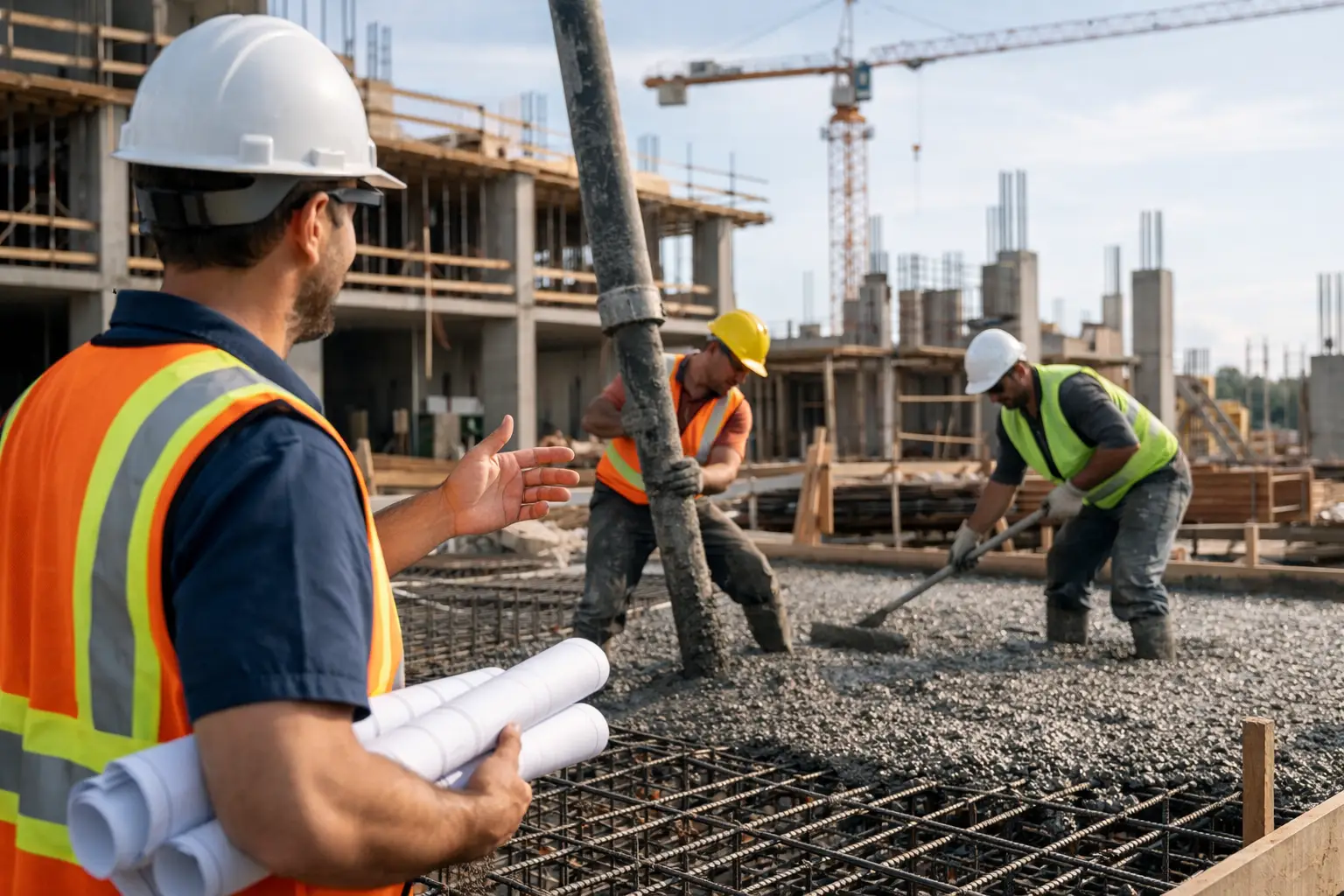
A new home, commercial building, or development can look finished from the street long before the concrete work proves itself. Foundations, driveways, walkways, curbing, patios, and pool decks all need to perform under Bakersfield heat, daily traffic, and the natural movement of the ground. Choosing the right new construction concrete contractor early helps keep the project moving, protects the finished structure, and gives the property a clean, lasting appearance.
For builders, homeowners, and property managers throughout Bakersfield and Kern County, concrete is not a detail to leave until the end. It is a major part of the site plan, the schedule, and the finished value of the property. The right contractor brings practical experience to the job, coordinates with the broader construction timeline, and delivers work that is built with care from the ground up.
What a New Construction Concrete Contractor Handles
New construction concrete work often begins before the first wall goes up. Depending on the project, that can include excavation coordination, grading preparation, footings, slab foundations, retaining or block walls, and structural concrete elements. Once the building is in place, the scope may expand to exterior flatwork such as driveways, sidewalks, patios, parking areas, ramps, curbs, and equipment pads.
The challenge is that each piece affects the next. A driveway needs the right base preparation and drainage plan. A patio has to meet the home cleanly while allowing for proper slope away from the structure. A commercial walkway must be laid out for safe access, predictable traffic flow, and the needs of the property. Good concrete work is measured before it is poured.
A capable contractor also understands where design flexibility makes sense. A straightforward broom-finished driveway may be the best fit for one property, while another may benefit from colored concrete, decorative borders, stamped finishes, or a custom pool deck. The goal is not to oversell a finish. It is to match the design, budget, and intended use of the space.
Start With Site Conditions, Not Just Square Footage
Concrete pricing and performance depend on more than the number of square feet. The condition of the site matters just as much. Soil stability, access for equipment, existing grades, drainage, utility locations, and the planned use of the slab all influence how the work should be prepared.
In Bakersfield, summer temperatures can be especially demanding during placement and curing. Concrete needs to be placed, finished, and protected with attention to weather conditions. Timing the pour, managing moisture, and using appropriate curing practices can make a real difference in the finished surface and long-term durability.
That does not mean concrete will never develop small surface variations or hairline cracks. Concrete naturally shrinks as it cures, and ground movement can occur over time. Proper joint placement, base preparation, reinforcement where called for, and a thoughtful layout help manage those realities. An honest contractor explains what is normal, what is avoidable, and what is needed for the project at hand.
Planning Foundations and Flatwork Around the Build Schedule
Construction schedules are built around dependencies. Underground utilities, framing, masonry, roofing, landscaping, and access requirements can all affect when concrete should be installed. Pouring too early can create damage risks from later trades. Pouring too late can delay final inspections, landscaping, or occupancy.
A dependable concrete contractor works from the actual site conditions instead of promising a one-size-fits-all timeline. Before installation, the team should confirm the scope, access, elevations, drainage, finish selection, and any requirements from the builder, engineer, or local jurisdiction. That preparation reduces surprises after crews arrive.
For a residential new build, the sequence may include foundation work first, then a driveway, walkways, patio, and pool deck after major exterior construction is complete. On a commercial project, work may be phased by building area, access needs, and inspection requirements. The best approach depends on the plans and the jobsite, but clear communication is always the common denominator.
Drainage Is Part of the Concrete Design
Water should move away from buildings and away from areas where it can create pooling, erosion, or slippery conditions. That sounds simple, but it requires accurate grading and deliberate slopes across every slab and walkway.
Drainage is especially important around foundations, garage entrances, patios, and pool decks. A beautiful finish cannot make up for water that runs toward the home or collects at a doorway. Before the concrete is placed, elevations should be reviewed carefully so the finished surface works with the property rather than against it.
Choosing the Right Finish for the Property
New construction gives owners a chance to make functional concrete feel intentional. A standard broom finish remains a smart choice for many driveways and walkways because it provides texture, traction, and a clean look. It is practical, durable, and easy to coordinate with most exterior styles.
For outdoor living areas, stamped concrete can create a more custom appearance with patterns and color choices that complement the home. Pool decks often call for a finish that balances visual appeal with a comfortable, slip-resistant walking surface. Decorative borders, saw-cut patterns, and carefully selected color can also add character without turning the project into something difficult to maintain.
Commercial properties usually place a greater emphasis on traffic, accessibility, visibility, and long-term serviceability. A finish that looks great at opening day still needs to support daily use. The right choice depends on the location, expected traffic, budget, and maintenance expectations.
What to Look for Before You Hire
A low estimate can be tempting, especially when there are many moving pieces in a new construction budget. But concrete mistakes are expensive to correct after the material has cured. The better question is whether the contractor has clearly defined the work, prepared for the conditions, and communicated what the project requires.
Look for a contractor who can discuss both structural and visual needs in plain language. They should be able to explain the proposed scope, including site preparation, reinforcement or jointing where appropriate, concrete placement, finish, and cleanup. You should also know what is included, what may be handled by another trade, and what conditions could affect the schedule or price.
Experience with both custom residential work and larger-scale commercial projects is valuable because it shows range. A team that can build a detailed stamped patio and also handle substantial foundations, curbing, or site flatwork understands that precision matters at every scale.
Local knowledge matters, too. A contractor familiar with Bakersfield and surrounding Kern County communities understands the conditions property owners face and the importance of showing up, communicating clearly, and standing behind the workmanship. National Concrete brings that combination of experienced craftsmanship, design flexibility, and a straightforward customer experience to new construction projects of all sizes.
A Better Process Creates a Better Pour
The easiest construction projects are not necessarily the smallest. They are the ones where expectations are clear before work begins. A quality concrete process starts with a detailed conversation about the plans, property, intended use, preferred finish, and schedule. From there, the contractor can provide an estimate based on the actual scope instead of guesswork.
Once the job is scheduled, preparation takes center stage. Forms, subgrade, base material, reinforcement, elevations, and access all need attention before the truck arrives. During the pour, the crew manages placement, finishing, edges, joints, and curing. Afterward, owners receive practical guidance about when the surface can be used and how to protect it while it gains strength.
That level of coordination is what makes the process feel easy and hassle-free for the customer. It also gives builders and property managers a concrete partner who respects the schedule and keeps the jobsite moving forward.
Build the First Impression on a Solid Foundation
New construction concrete should do more than fill a space around a building. It should support daily use, direct water properly, complement the architecture, and give the property a finished look that makes people feel confident the moment they arrive.
If you are planning a new home, commercial site, addition, or outdoor living area in Bakersfield or Kern County, start the concrete conversation before the schedule gets tight. A clear estimate and an experienced local crew can help turn the plans on paper into durable work you will be proud to see every day.