
How Long Does Concrete Cure Before You Use It?
July 12, 2026
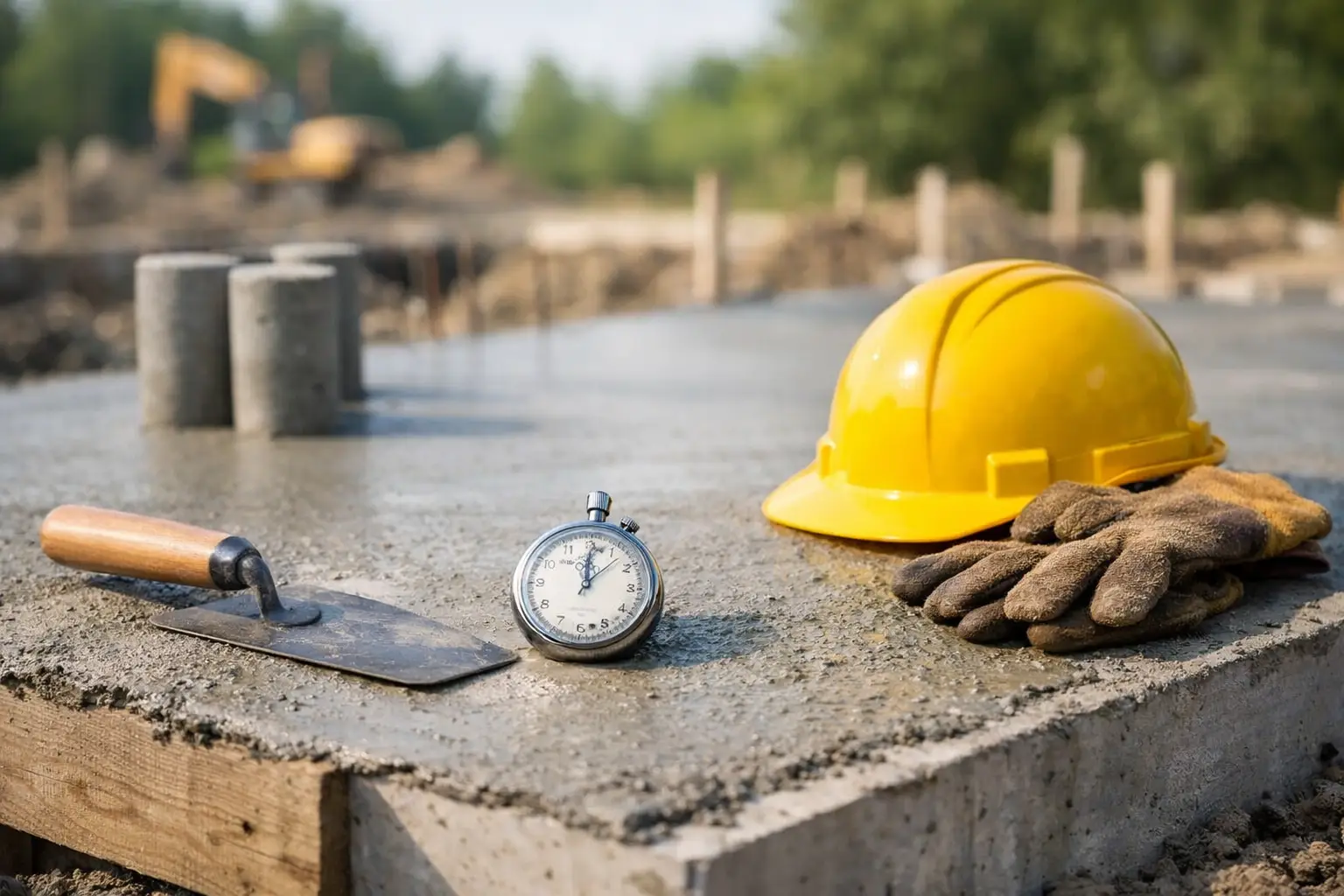
A new concrete driveway can look solid by the next morning, but that does not mean it is ready for a loaded pickup, moving truck, or daily vehicle traffic. Concrete gains strength over time, and giving it the right curing window is one of the smartest ways to protect your investment from cracking, dusting, and premature wear.
So, how long does concrete cure? Most concrete reaches its specified design strength at about 28 days. However, you can usually walk on it much sooner, and light use may be possible within days. The right answer depends on the type of project, the weather, the concrete mix, and what you plan to put on the surface.
How Long Does Concrete Cure for Different Projects?
Concrete does not simply dry out. It cures through a chemical reaction between cement and water called hydration. As long as the concrete has adequate moisture and reasonable temperatures, it continues building strength.
For most residential and commercial work, the 28-day mark is the industry benchmark for full design strength. That does not mean the slab is weak for the entire month. Under proper conditions, concrete may gain roughly 70 percent of its intended strength in the first seven days. The remaining curing period still matters, especially for driveways, foundations, and other surfaces carrying real weight.
Here is a practical timeline homeowners and property managers can use:
- After 24 to 48 hours: Foot traffic is generally safe, provided the surface has not been damaged and your contractor has cleared it for access.
- After 3 to 7 days: Light use may be appropriate for some patios, walkways, and low-traffic areas.
- After 7 days: Many residential slabs have developed significant strength, but heavy loads should still stay off the concrete.
- After 28 days: Concrete is typically considered fully cured to its specified strength and ready for normal vehicle loads and intended service.
A patio and a commercial loading area should not be treated the same way. A decorative stamped concrete patio may need extra care to protect its finish, while a driveway needs enough time to handle vehicles without stressing fresh concrete. For a new foundation, the structural schedule should always follow the project engineer’s requirements and the contractor’s plan.
When Can You Walk, Drive, or Park on New Concrete?
The question most Bakersfield homeowners ask is not just how long does concrete cure, but when they can get their normal routine back. The answer should be based on use, not appearance.
For walkways and patios, keep people, pets, furniture, grills, and planters off the surface for at least 24 to 48 hours unless your contractor provides different instructions. Fresh concrete can be marked, chipped, or stained more easily than people expect. Dragging patio furniture across it too soon can leave permanent damage.
For a typical residential driveway, wait at least seven days before driving a passenger vehicle on it. If possible, waiting the full 28 days is the most conservative choice and provides the best protection. Heavy trucks, trailers, RVs, dumpsters, construction equipment, and loaded moving vehicles should stay off new driveway concrete for 28 days or longer, depending on the slab design.
Avoid parking in the same spot repeatedly during the first few weeks. Concentrated tire loads can put extra stress on areas that are still gaining strength. Do not turn the steering wheel while the vehicle is stopped on fresh concrete, either. That twisting action can scuff the surface, particularly in hot weather.
Bakersfield Heat Can Change the Curing Plan
Kern County heat is one of the biggest factors in a successful concrete installation. Hot, dry, windy conditions can pull moisture from freshly placed concrete too quickly. That rapid moisture loss can increase the risk of shrinkage cracks, surface weakness, and a dusty finish.
Hot weather does not mean concrete cures better just because it sets faster. Fast setting and proper curing are different things. Concrete needs enough moisture to develop strength. A professional crew plans around temperatures, timing, mix design, finishing methods, and curing protection to help the slab perform as intended.
On a summer day in Bakersfield, curing may involve applying an approved curing compound, covering the slab when appropriate, or carefully managing moisture according to the finish and project requirements. The goal is not to soak decorative concrete at random or create a slippery surface. It is to maintain the right curing conditions for that specific slab.
Cold weather creates a different challenge. When temperatures get too low, hydration slows down, which can extend the time concrete needs before it can safely handle traffic. Freezing conditions can damage fresh concrete if it is not protected. That is why a reliable contractor adjusts the installation and curing approach to the forecast rather than using one rule for every job.
Curing vs. Drying: Why the Difference Matters
Concrete can feel dry on top while still curing below the surface. This is why a slab that looks ready may not be ready for heavy use. Drying refers to moisture leaving the concrete. Curing refers to the strength-building process happening inside it.
For outdoor flatwork such as driveways, patios, pool decks, and walkways, proper curing supports a harder, more durable surface. It also helps the concrete better resist normal weather exposure and traffic over the years.
This is particularly relevant for stamped concrete. The color hardener, release, sealer, and textured finish all need to be handled on the correct schedule. Applying sealer too early, placing furniture too soon, or cleaning aggressively before the surface is ready can affect the final appearance. A custom finish deserves the same care after installation that it received during placement.
What Can Affect Concrete Curing Time?
The 28-day guideline is dependable, but the exact schedule can vary. A professional concrete contractor considers several job-specific factors before telling a client when to use the new surface.
Weather is the obvious factor, including air temperature, concrete temperature, wind, and humidity. The concrete mix also matters. Some mixes are designed for faster strength gain, while others are selected for workability, durability, decorative finishes, or structural performance.
Slab thickness and reinforcement play a role in how the finished concrete performs under load, though they do not eliminate the need for curing time. A thick, reinforced driveway still needs time to gain strength. So does a properly compacted base underneath it. Good concrete work is a complete system, not just a gray surface poured in one afternoon.
The intended use matters too. A backyard walkway has different demands than a driveway serving multiple vehicles. A commercial foundation, curb, or equipment pad may have engineering requirements that control the schedule. Always follow the instructions provided for your specific project rather than relying on a neighbor’s timeline.
How to Protect Fresh Concrete After Installation
Once the crew has completed the work, a few simple habits can make a meaningful difference. Respect any barricades or caution tape, and keep children, pets, vehicles, and delivery drivers away from the slab during the recommended period.
Do not use deicing salts on new concrete during its first winter. Deicers can contribute to surface damage, especially on young concrete. Avoid pressure washing, harsh chemicals, and abrasive cleaning while the surface is still new. If leaves, dirt, or construction debris land on the concrete, ask your contractor about the safest way to address it rather than scrubbing aggressively.
For driveways, do not allow large moving trucks, garbage trucks, or construction vehicles to cross the slab unless it was specifically designed and approved for that load. Edge areas are especially vulnerable because they have less support than the center of the slab.
Hairline cracks can still occur in concrete, even with excellent workmanship and curing. Concrete naturally shrinks as it cures, which is why control joints are installed. These planned joints help encourage cracking to occur in less noticeable, more controlled locations. Wider cracks, spalling, significant settling, or unusual surface issues should be brought to your contractor’s attention promptly.
Get the Right Timeline for Your Concrete Project
There is no benefit to rushing a concrete surface that is built to last for decades. Whether you are planning a new driveway, a custom patio, a pool deck, or a commercial concrete installation, the final curing instructions should match the slab, finish, weather, and planned use.
At National Concrete, we believe a smooth project includes clear expectations after the pour, not just quality craftsmanship on installation day. Give your new concrete the time it needs, and it will be ready to serve your home or property with the strength, clean appearance, and lasting value you hired it for.