
Block Wall Contractor Near Me in Bakersfield
July 17, 2026
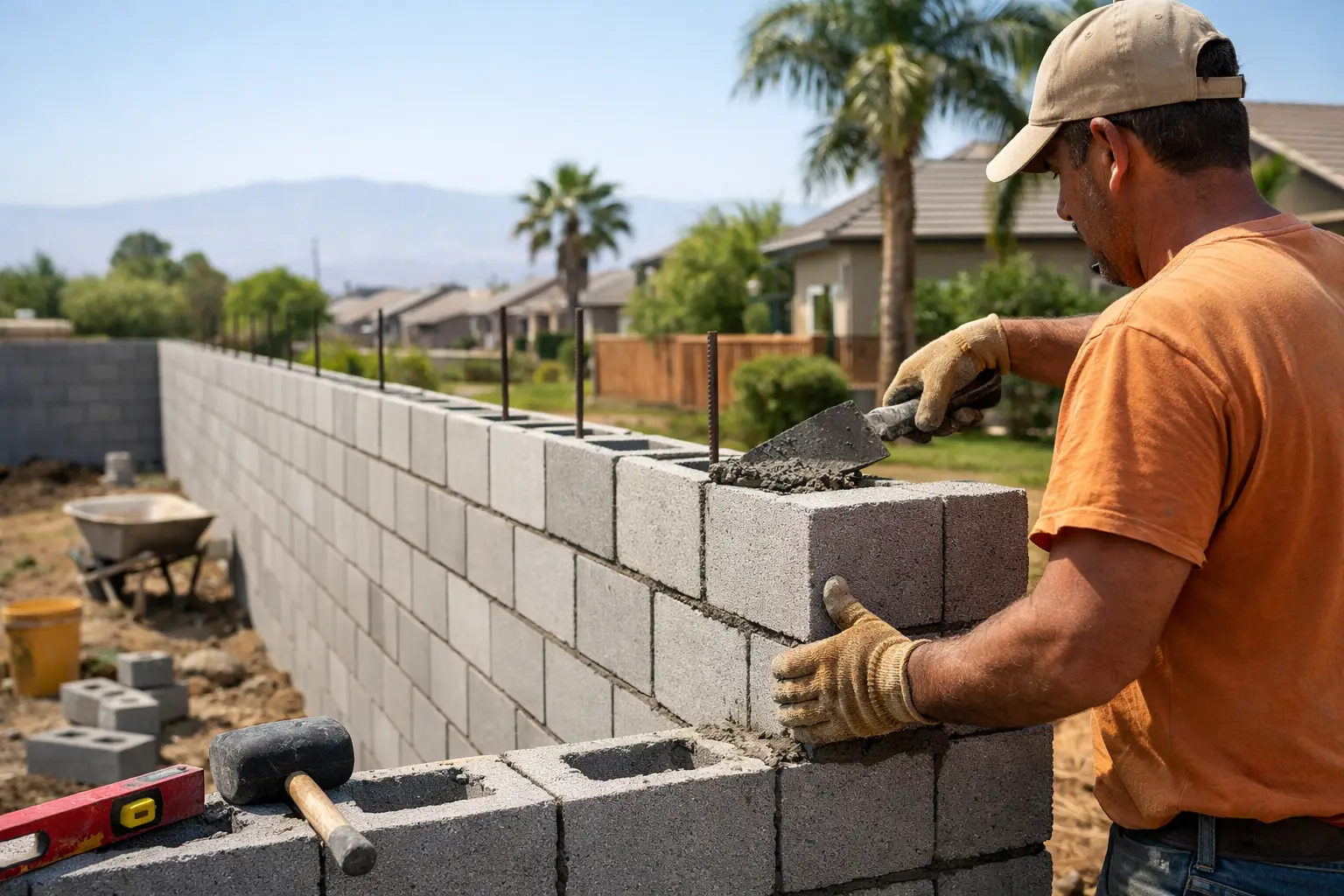
A new block wall can make a Bakersfield property feel more private, more finished, and easier to maintain. But a wall that looks good on day one can crack, lean, or drain poorly if it is not built for the site. When you search for a block wall contractor near me, you need more than someone who can stack concrete masonry units. You need a local contractor who understands soil conditions, wall purpose, drainage, access, and the details that keep the finished work standing strong.
For homeowners, block walls are often the answer to backyard privacy, property separation, side-yard enclosures, or a cleaner boundary around a patio or pool area. For commercial properties, they can provide security, site definition, screening, and retaining support. The right wall starts with a clear plan and experienced installation.
What a Quality Block Wall Should Do
A block wall is not a one-size-fits-all project. A short decorative wall at the front of a home has different needs than a tall privacy wall along a property line. A retaining wall that holds back soil is a different level of work entirely, because it must manage lateral pressure and water behind the wall.
A properly planned block wall should fit its job, complement the property, and hold up through Bakersfield heat, irrigation, and seasonal weather. That means looking beyond the visible block. The footing, reinforcement, mortar, grout, drainage, finish, and connection points all affect long-term performance.
Experienced contractors will ask what the wall needs to accomplish before recommending a design. Are you creating privacy? Keeping pets safely enclosed? Replacing a damaged fence? Defining a commercial site? Supporting a grade change? These answers guide the wall height, layout, material selection, and construction method.
How to Choose a Block Wall Contractor Near Me
Local service matters because contractors who work in Bakersfield and Kern County know the types of projects property owners request, the local climate, and the practical concerns that arise on real job sites. Still, proximity alone is not enough. Look for a contractor who communicates clearly and can explain how the wall will be built.
Start by asking for an on-site estimate. A dependable contractor should inspect the proposed wall location rather than price the job from a quick description alone. Slopes, existing concrete, utility locations, access for equipment, neighboring structures, and drainage paths can all change the scope of work.
During the estimate process, pay attention to whether the contractor can discuss the work in plain language. You should understand where the wall will go, what materials are included, how the site will be prepared, and what factors could affect the final price. A low number without details may not be a bargain if critical work has been left out.
A strong contractor should also be prepared to discuss:
- The wall’s intended use and whether it is decorative, privacy-focused, or retaining soil
- Footing depth, reinforcement, and grout requirements appropriate to the design
- Drainage considerations, especially for walls exposed to irrigation or soil pressure
- Finish options, including standard block, split-face block, stucco, paint, caps, and integrated gates
- Project timing, site cleanup, and how existing landscaping or hardscape will be protected
For walls that require permits, engineering, or special approvals, your contractor should help you understand the process. Retaining walls and taller walls may have code requirements that do not apply to a simple garden border. It depends on wall height, location, property conditions, and what the wall is supporting.
The Details That Make Block Walls Last
The visible face of a block wall gets the attention, but the work below and behind it often determines its service life. A stable footing gives the wall a sound base. Proper reinforcement helps the wall resist movement. Consistent mortar joints and well-placed grout create a more solid structure. When a wall retains soil, drainage is essential because trapped water can create pressure that the wall was never designed to carry.
Bakersfield’s dry climate does not eliminate moisture concerns. Landscape irrigation, runoff, and water collecting near the base of a wall can create problems over time. Good planning directs water away from the wall and avoids placing sprinklers where they repeatedly soak masonry surfaces or the surrounding soil.
Layout is another important detail. Property lines should be confirmed before construction begins, especially when a wall will sit near a neighbor’s yard or a public-facing area. A wall built a few inches off plan can become an expensive issue later. Taking time to establish the correct line, elevation, and gate locations protects the project from avoidable surprises.
Block Wall Options for Bakersfield Properties
Many property owners picture a plain gray concrete block wall, but there are several ways to tailor the look to the home or business. Standard concrete masonry block is practical, durable, and can be finished with stucco or paint. Split-face block offers more texture and visual character. Decorative caps can create a finished top edge, while pilasters can add strength and a more substantial appearance at corners, gates, or longer runs.
For a backyard, a block wall can pair well with a new concrete patio, walkway, or outdoor kitchen area. For front yards, a lower wall can help define landscaping without closing off the property. Commercial clients may need a straightforward security wall, screened utility enclosure, or site boundary that matches the building’s exterior.
The best option is not always the most elaborate one. A clean, well-built wall with the right height and finish often gives a property the strongest value. Custom features are worthwhile when they improve function, complement existing concrete work, or create the curb appeal you want to enjoy for years.
What Affects the Cost of a Block Wall?
Block wall pricing depends on more than length. Height is a major factor because taller walls generally require more material, reinforcement, labor, and in some cases engineering. Wall type matters too. A simple non-retaining perimeter wall usually has a different scope than a retaining wall with drainage rock, pipe, waterproofing, and engineered reinforcement.
Access can also affect the estimate. An open side yard where materials and equipment can move easily is different from a narrow backyard with landscaping, a pool, or existing hardscape to work around. Demolition and removal of an old fence or failing wall should be considered as well.
Finish selections add another layer. Stucco, paint, caps, decorative block, custom columns, gates, and electrical features can all change the investment. That is why a detailed estimate is more useful than a rough per-foot price. It gives you a clearer picture of what you are receiving and helps you compare proposals fairly.
A Simple, Professional Construction Process
The best block wall projects feel organized from the first conversation. After an on-site assessment and estimate, the contractor should confirm the scope, design, schedule, and any required approvals. Before digging begins, the work area is laid out and utilities should be addressed through the appropriate notification process.
Construction typically begins with site preparation and excavation for the footing. The crew installs reinforcement and pours the footing as required by the wall design. From there, the block is set carefully for alignment and level, with reinforcement and grout placed where needed. If drainage is part of the project, it is installed during construction rather than treated as an afterthought.
The final stage includes the selected finish, cleanup, and a walkthrough of the completed work. At National Concrete, the goal is to make the experience easy and hassle-free while delivering workmanship that reflects well on your property. Clear communication and careful preparation help keep the project moving without unnecessary confusion.
Know When a Block Wall Needs More Than a Repair
Small cracks in a wall finish may be repairable, but wider cracks, leaning sections, loose block, crumbling mortar, or signs of soil pressure deserve a closer inspection. Repainting over a structural problem will not correct it. If drainage is poor or the footing has shifted, the affected section may need to be rebuilt to prevent the issue from returning.
When evaluating an existing wall, consider its purpose. A cosmetic garden wall may allow for a simple repair. A wall holding back soil, supporting a fence, or standing near a driveway or structure requires more caution. The right solution depends on what caused the damage, not just what is visible at the surface.
A well-built block wall is a practical investment in privacy, security, and property value. Bring your goals, measurements if you have them, and a few photos of the area to your estimate appointment. A qualified local contractor can turn that starting point into a wall that looks right, works hard, and gives you confidence every time you step outside.