Are Block Walls Waterproof? What Bakersfield Owners Need
November 18, 2026
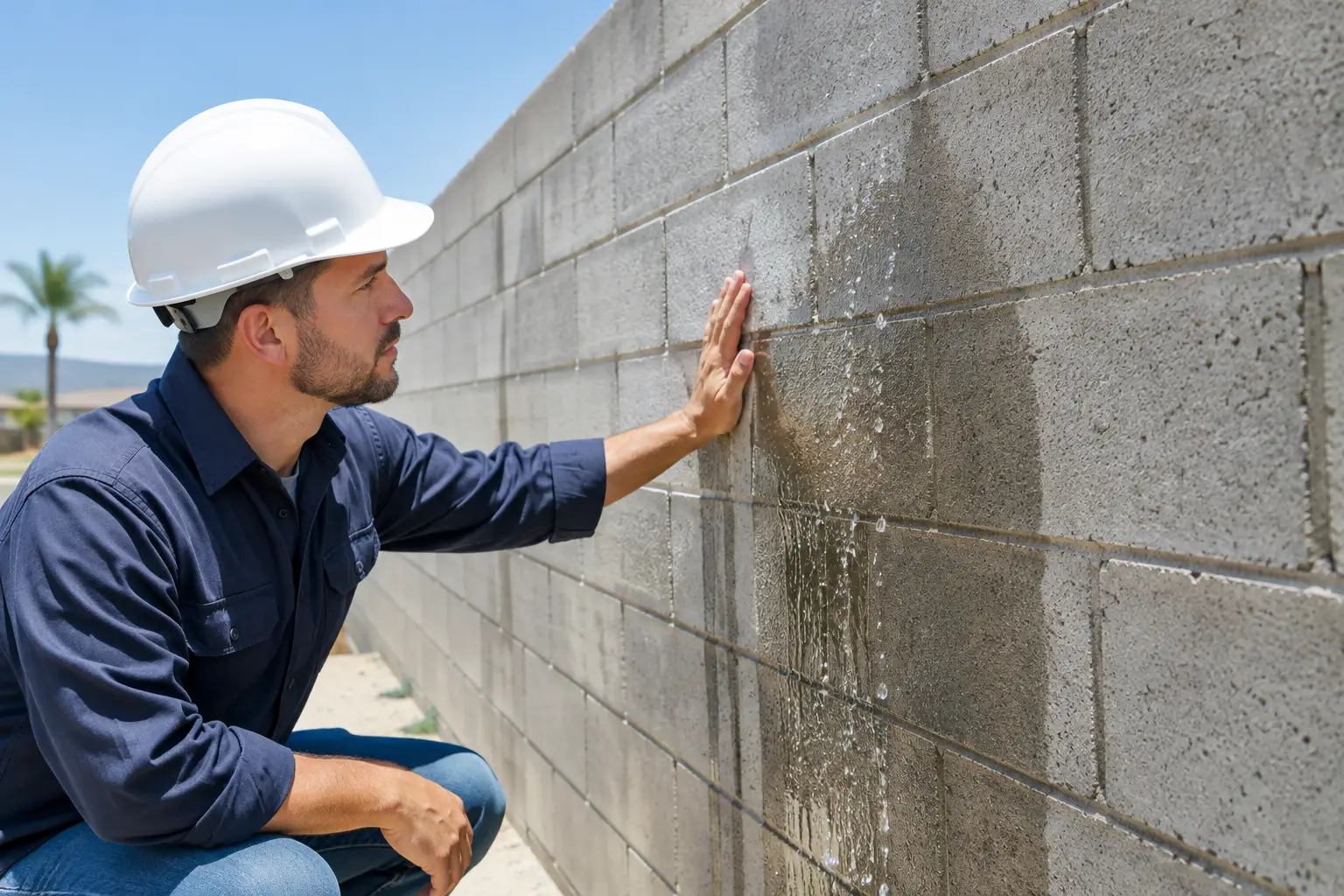
A clean block wall can look solid enough to stop anything, but looks can be deceiving. Are block walls waterproof? Not by themselves. Standard concrete masonry block is durable and weather-resistant, yet it can absorb and transmit moisture over time. Whether that becomes a problem depends on where the wall is located, how it was built, and what is happening on the other side of it.
For Bakersfield homeowners and commercial property owners, water issues often show up after a heavy storm, near landscape irrigation, around pool areas, or behind retaining walls. The good news is that a properly designed and finished block wall can manage water very well. The key is using the right protection for the wall’s job instead of assuming concrete block is naturally watertight.
Why Block Walls Are Not Naturally Waterproof
Concrete block, also called CMU or masonry block, is made from cement, aggregate, and water. It is strong, practical, and built to last, but it is also porous. Tiny openings in the block can take on moisture. Mortar joints, cracks, unsealed caps, and incomplete grout can create additional paths for water to enter.
That does not mean every block wall will leak. A freestanding privacy wall may get wet during rain and dry out with no issue. A block wall holding back soil, however, faces a completely different level of water pressure. When wet soil builds up behind a retaining wall, moisture is pushed toward the masonry. Without drainage and waterproofing, that pressure can lead to staining, efflorescence, cracking, movement, or water reaching the finished side of the wall.
The distinction matters: water-resistant materials can tolerate exposure to moisture, while waterproof systems are designed to stop water from passing through under expected conditions. Concrete block is generally water-resistant. A complete wall assembly can be waterproof when it includes the right details.
Are Block Walls Waterproof When They Are Painted or Sealed?
Paint and sealers can help, but they are not all built for the same purpose. A decorative masonry paint may improve appearance and shed some surface water, yet it is not automatically a waterproofing system. Ordinary paint can also trap moisture inside the wall if the masonry was damp before application or if water is entering from the back side.
Penetrating sealers are often a good choice for exposed freestanding block walls. They soak into the masonry and help reduce water absorption while allowing water vapor to move out. This can help limit staining and extend the life of the wall finish without creating a heavy film on the surface.
For a wall exposed to standing water or soil moisture, a more substantial approach is usually needed. Professional-grade masonry waterproofing coatings and membranes form a barrier against water intrusion. These products are typically installed on the side of the wall that faces the water source, which is especially important for below-grade walls and retaining walls.
A coating cannot correct poor construction, major cracks, or missing drainage. If moisture pressure remains behind the wall, even a quality coating may eventually fail. The wall needs to be evaluated as a system, not treated with a quick surface fix.
The Wall’s Purpose Determines the Right Protection
Freestanding Privacy and Property Walls
A typical yard wall or decorative boundary wall does not have soil pressing against it. Its biggest moisture exposure usually comes from rain, sprinklers, and occasional washing. In Bakersfield’s dry climate, these walls often perform well with sound blockwork, properly tooled mortar joints, a well-installed cap, and a breathable sealer if desired.
Pay attention to sprinkler placement. Repeated irrigation hitting one area of a block wall can leave mineral deposits, discoloration, and damp spots that look like a bigger problem than they are. Redirecting the spray and sealing the exposed masonry may be enough.
Retaining Walls
Retaining walls require more planning because water is one of the main forces working against them. Soil absorbs water during rain or overwatering, then holds it against the back of the wall. The resulting hydrostatic pressure can push on the structure and force moisture through joints and block cores.
A reliable retaining wall commonly needs a waterproof membrane on the soil side, free-draining gravel, a drainage pipe, and a path for water to exit. Depending on the wall design, this may include weep holes. Proper reinforcement, footing design, and block construction are equally important because waterproofing does not compensate for a wall that was not engineered or built for the load it carries.
Foundation and Below-Grade Walls
Below-grade concrete block walls need serious moisture protection. Once part of a wall is below surrounding grade, groundwater, runoff, and irrigation can collect against it. Exterior waterproofing is typically the preferred approach because it stops water before it enters the masonry.
Interior coatings may help manage minor dampness, but they do not relieve pressure on the exterior side of the wall. If a basement, crawl space, utility room, or commercial structure has recurring moisture, the source and drainage conditions should be addressed before selecting a coating.
Signs Your Block Wall May Need Attention
Moisture problems rarely stay limited to a small cosmetic spot. Catching them early can protect the wall and reduce repair costs. Watch for white, chalky residue on the masonry, often called efflorescence. It forms when moisture travels through the wall and leaves mineral salts behind as it evaporates.
Other warning signs include peeling paint, dark damp patches, crumbling mortar, rust stains, visible cracks, mildew on the protected side of the wall, or water pooling near the base. A retaining wall that is leaning, bowing, or showing horizontal cracking needs prompt professional attention. Those signs can point to drainage or structural issues rather than a simple sealing need.
Not every crack means the wall is failing. Small hairline cracks can occur as materials cure or move slightly with temperature changes. Wider, growing, or displaced cracks deserve a closer inspection, particularly when they appear in a wall retaining soil.
A Better Waterproofing Approach Starts With Drainage
The most effective waterproofing work begins before the coating is applied. First, identify where the water is coming from. Is roof runoff draining toward the wall? Are sprinklers soaking the block every day? Is soil graded toward a foundation? Is a retaining wall missing a drain outlet?
Once the source is clear, the wall can be cleaned and repaired. Loose mortar, open joints, cracks, and failed caps should be handled before sealing or waterproofing. The selected product must also match the wall condition and exposure. A breathable penetrating sealer makes sense for many exposed walls. A dedicated membrane is more appropriate where soil moisture or water pressure is present.
For retaining walls, drainage is not an optional upgrade. Gravel backfill helps water move downward instead of saturating the soil. Drain pipe carries that water away, while a protected waterproofing layer helps keep it out of the block. Together, these details reduce the stress that shortens wall life.
What Bakersfield Property Owners Should Avoid
Applying a thick coat of paint to a damp wall is a common mistake. It may look good for a while, but trapped moisture can cause blistering, peeling, and continued deterioration behind the finish. Another mistake is sealing only the visible side of a retaining wall while leaving the soil side and drainage unaddressed.
Avoid assuming that a block cap alone makes a wall waterproof. Caps are valuable because they help direct rain away from the top of the wall, but joints between cap units still need to be properly installed and maintained. Likewise, filling block cores with grout can improve strength in certain designs, but it does not replace an exterior waterproofing and drainage strategy where one is required.
A quick hardware-store coating can be useful for minor maintenance, but it is not the best answer for every wall. Walls supporting soil, buildings, large gates, or commercial site features deserve a contractor’s assessment of the full installation.
Get the Right Solution for the Wall You Have
Block walls are a smart, durable choice for privacy, security, landscaping, and structural support. They simply need to be built and protected for their specific conditions. A decorative yard wall may only need careful workmanship and periodic sealing. A retaining or below-grade wall needs drainage, waterproofing, and structural details working together.
National Concrete helps Bakersfield and Kern County property owners build and repair block walls with the craftsmanship and practical planning that long-lasting concrete work demands. If you are seeing water stains, failing paint, cracks, or drainage concerns, a professional evaluation can identify whether the answer is simple sealing, targeted repair, or a more complete waterproofing plan. Taking care of the water path now gives your wall a better chance to stay strong, clean, and reliable for years to come.