How to Maintain Decorative Concrete Surfaces Well
October 9, 2026
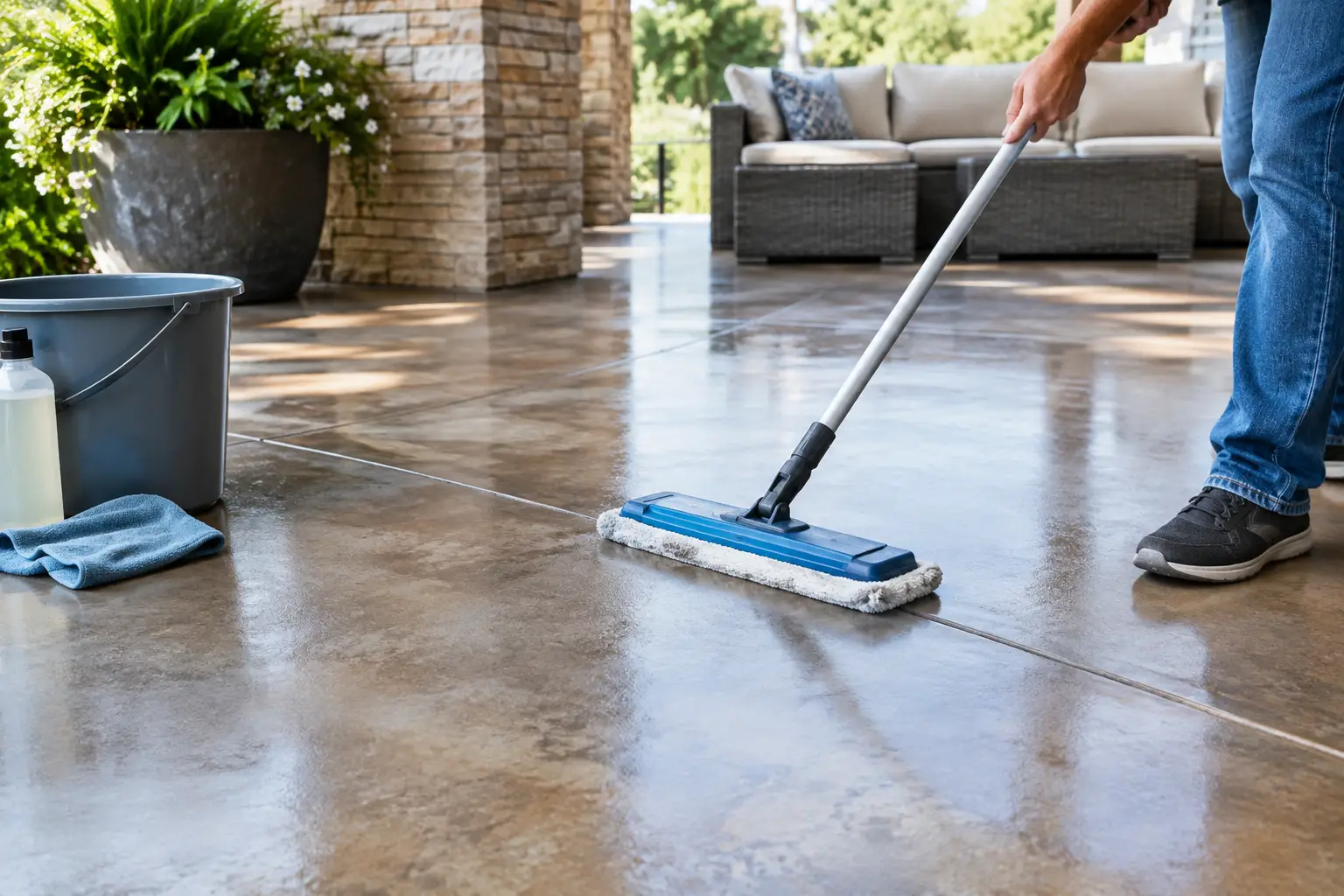
A stamped patio, colored driveway, or decorative pool deck should look like a finished part of your property, not a surface you have to constantly worry about. Learning how to maintain decorative concrete surfaces comes down to a few consistent habits: remove dirt before it grinds in, deal with spills quickly, use gentle cleaning methods, and reseal the surface when its protection starts to fade.
In Bakersfield and throughout Kern County, concrete takes a beating from intense sun, dry dust, irrigation overspray, pool chemicals, vehicle traffic, and occasional heavy rain. Decorative concrete is still concrete, but its color, texture, and sealer need the right care to keep delivering the curb appeal and long-term value you paid for.
Start With the Surface You Have
Decorative concrete is not one single finish. Stamped concrete may have a textured pattern that holds dust in low spots. Acid-stained concrete has color created within the slab, while a colored concrete surface may use integral color, color hardener, or a topical coating. Exposed aggregate has a completely different texture and cleaning need than a smooth, sealed patio.
The finish determines how aggressive you can be with cleaning and how often you may need to reseal. A busy commercial entry, for example, will lose sealer faster than a shaded backyard walkway. A pool deck needs special attention because sunscreen, splashing water, and chlorine can leave residue behind.
If you are unsure what type of decorative finish you have, avoid guessing with harsh chemicals. A contractor can help identify the existing sealer and recommend a compatible maintenance plan.
How to Maintain Decorative Concrete Surfaces Day to Day
Regular cleaning does more than make concrete look better. Fine sand, dirt, leaves, and debris can slowly wear a sealed finish, especially in traffic paths. They also hold moisture against the surface and can leave stains when mixed with sprinkler water, plant material, or automotive fluids.
Sweep driveways, patios, walkways, and pool decks regularly. In dusty Bakersfield conditions, a quick sweep every week or two makes a noticeable difference. Use a leaf blower with care around landscaping, but do not let piles of debris sit against the edges of a slab.
For routine washing, use a garden hose and a mild, pH-neutral cleaner made for concrete. A soft-bristle push broom works well for larger areas. Rinse thoroughly so no soap film is left behind. Soap residue can make a sealed patio look cloudy and may make a pool deck more slippery when wet.
Pressure washing can be useful, but it is not always the best first move. Excessive pressure, a narrow spray tip, or holding the wand too close can damage sealer, remove color from some topical systems, and leave visible striping. For most residential decorative concrete, use a wide fan tip, keep the nozzle moving, and test a small hidden area first. When the finish is older or already peeling, professional evaluation is the safer route.
Treat Spills Before They Become Stains
The longer a spill remains on decorative concrete, the more likely it is to discolor the surface or affect the sealer. This matters most on driveways, outdoor kitchens, patios, and pool areas.
Blot fresh oil, grease, barbecue drippings, fertilizer, paint, and beverage spills right away. Do not scrub oily spills deeper into the concrete. Use an absorbent material first, then clean the remaining spot with a concrete-safe degreaser according to its instructions.
Avoid using muriatic acid, bleach mixtures, wire brushes, or strong solvent products unless a concrete professional has confirmed they are appropriate for your exact finish. Acid can change decorative color, etch the surface, and weaken surrounding landscaping. Solvents may soften or haze certain sealers. The quick fix can become a much larger refinishing job.
Rust stains deserve extra caution. Metal furniture, tools, and fertilizer can all create orange staining. Use a rust remover specifically labeled for decorative concrete, and test it in a low-visibility spot. Never assume a product that works on plain gray concrete is safe for stamped or stained finishes.
Keep Water Where It Belongs
Concrete is durable, but standing water and poor drainage can shorten the life of a decorative finish. Check that irrigation heads are not constantly spraying the driveway, patio, or walkway. Hard water can leave mineral deposits, while overspray promotes dirt buildup and can create slippery areas near pools.
Watch for low spots where rainwater pools. A small puddle after a storm may not be an emergency, but repeated standing water can reveal a drainage issue or surface wear. Clear drains, keep expansion joints free of packed dirt, and direct downspouts away from decorative slabs when possible.
Near a pool, rinse splash zones periodically with fresh water. This simple habit helps limit buildup from chlorine, salt systems, sunscreen, and body oils. It also keeps the deck looking more consistent from one side of the pool to the other.
Reseal Before the Finish Looks Worn Out
Sealer is the main protective layer for many decorative concrete surfaces. It helps resist moisture, stains, abrasion, and fading while enhancing color and texture. It is not permanent, though. Sun exposure, foot traffic, tires, cleaning, and weather all gradually wear it down.
Most residential decorative concrete benefits from resealing every two to three years, but the right schedule depends on exposure and use. A covered patio may go longer. A sunny driveway with regular vehicle traffic may need attention sooner. Commercial surfaces and busy pool decks may require more frequent maintenance.
Look for signs that resealing may be due: color appears dull or uneven, water no longer beads on the surface, stains absorb more quickly, or traffic paths look less protected than surrounding areas. These signs do not always mean the slab is damaged. Often, they mean the protective film has simply reached the end of its service life.
Proper prep is the key to a good reseal. The concrete must be clean, dry, and free of incompatible residue. Applying new sealer over dirt, moisture, or a failing coating can trap problems underneath, leading to whitening, peeling, or uneven shine. This is one area where professional service often saves time and prevents expensive do-overs.
Protect Decorative Driveways From Vehicle Damage
Driveways face a different level of wear than patios. Leaking vehicles, hot tires, turning wheels, and heavy loads can all affect the appearance of decorative concrete. Parking in the same position every day may create visible wear over time, especially on sealed surfaces.
Repair oil leaks as soon as possible and clean drips promptly. Avoid parking very heavy equipment or dumpsters on decorative driveways unless the slab was designed for that load. When moving trailers, RVs, or construction equipment, do not make sharp turns with stationary tires. Tire scuffing is often a surface issue, but repeated twisting pressure can be hard on both the sealer and the concrete itself.
During home projects, protect nearby decorative slabs from paint, mortar, stains, and metal shavings. A simple barrier is much easier than trying to remove construction residue after it cures or reacts with the finish.
Do Not Ignore Cracks, Flaking, or Peeling
Concrete naturally has control joints, and minor hairline cracking can occur as a slab cures and ages. Not every crack means structural failure. Still, changes in a crack, uneven slab sections, widespread flaking, or peeling sealer should be addressed early.
A crack that becomes wider, collects water, or creates a trip hazard deserves professional attention. Surface flaking may result from moisture, freeze-thaw exposure in some locations, improper past cleaning, or issues with the original finish. Peeling can signal that the wrong sealer was applied, the surface was not prepared correctly, or moisture is moving through the slab.
Trying to cover these issues with another coat of sealer rarely solves the cause. A qualified concrete contractor can determine whether the right solution is cleaning and resealing, crack repair, surface restoration, or a more involved repair plan.
Seasonal Care for Bakersfield Properties
Bakersfield’s long, hot summers make UV protection a major factor in decorative concrete care. Keep surfaces clean so dust and residue do not dull the finish, and check sunny areas for early signs of sealer wear. Before hot weather arrives, it is a good time to evaluate patios, driveways, and pool decks that will see heavier seasonal use.
After rain, remove leaves, mud, and standing debris instead of allowing them to stain the surface. In fall and winter, inspect joints and drainage paths. These small checks help prevent a minor maintenance issue from becoming a visible blemish when outdoor entertaining season returns.
Decorative concrete should make your property easier to enjoy, not harder to manage. With routine care and timely professional help when the finish needs attention, your driveway, patio, walkway, or pool deck can keep its clean, custom look for years. For local guidance on protecting or restoring a decorative concrete finish, National Concrete brings proven craftsmanship and a straightforward, hassle-free approach to every project.