
How to Inspect Foundation Cracks at Home
August 18, 2026
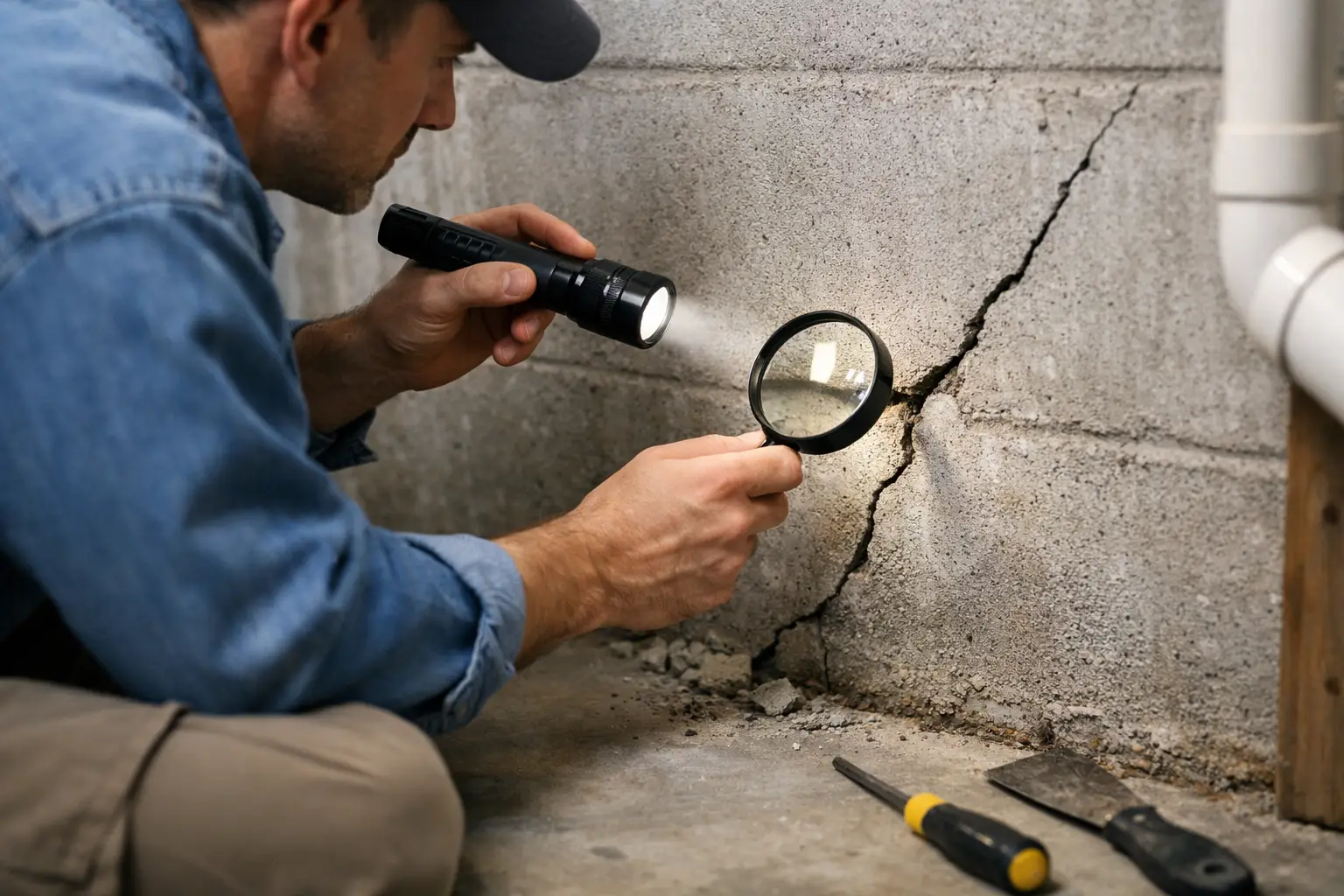
A hairline crack near the edge of a concrete slab may be a normal part of curing. A crack that keeps widening, runs diagonally across a wall, or appears alongside sticking doors deserves a closer look. Knowing how to inspect foundation cracks gives Bakersfield homeowners and property managers a clearer picture of what they are seeing before a small concern becomes a costly repair conversation.
Concrete is strong under compression, but it can crack as soil moves, moisture levels change, or a structure settles. Kern County’s dry heat, periods of heavy rain, irrigation issues, and soil conditions can all affect the ground supporting a foundation. The goal of an inspection is not to diagnose the entire structural system from one crack. It is to identify patterns, document what you find, and know when professional evaluation is the smart next step.
Start With a Safe, Simple Inspection Setup
Pick a dry day with good daylight. Bring a flashlight, tape measure, pencil, notebook or phone, and a small ruler marked in eighths or sixteenths of an inch. Wear closed-toe shoes and gloves if you will be checking around landscaping, crawl-space access points, or exterior walls.
Do not chip at a crack, pry loose concrete, or enter a tight crawl space with questionable access. Avoid working near exposed electrical wiring, gas lines, or unstable retaining walls. A visual inspection from accessible areas is useful. Anything that appears to involve structural movement, drainage failure, or major separation should be assessed by a qualified foundation or concrete professional.
Before focusing on any one crack, walk the entire perimeter of the building. Look at the concrete foundation, slab edges, stem walls, adjacent walkways, patios, driveways, and soil grade. Cracks tell a more complete story when you see them in context.
How to Inspect Foundation Cracks From Outside
Begin at one corner and work around the property in the same direction. Take wide photos first so you can remember where each crack is located, then take close-up photos with a ruler in the frame. Number the cracks in your notes and record the date, location, direction, approximate length, and widest visible point.
Hairline cracks are thin surface openings that may be difficult to measure. They are common in concrete and are not automatically a sign that a foundation is failing. Still, note them. If a hairline crack changes over time, connects to other cracking, or allows moisture into a wall, it needs more attention.
Pay closer attention to cracks that are wider than about 1/8 inch, particularly if they are growing or paired with other symptoms. Vertical cracks can occur from normal shrinkage or minor settling, but their width and condition matter. Diagonal or stair-step cracks in a block wall can point to uneven movement. Horizontal cracks, bowed walls, or a wall that appears to be pushing inward are more urgent warning signs.
Look for changes at corners, windows, and door openings. Concrete and masonry often show stress near openings. A crack that begins at the corner of a window or door and angles outward may be related to movement, though only an on-site assessment can determine the cause.
Also inspect where the foundation meets other concrete. A small separation between a patio and the home may be an expansion joint doing its job. A widening gap, a slab that slopes toward the structure, or a patio pulling away enough to collect water can create drainage and trip-hazard concerns. The distinction matters: not every gap is structural, but every gap that channels water toward the house should be addressed.
Check the Soil, Water, and Drainage Around the Foundation
A foundation inspection should always include the ground around it. Soil should generally slope away from the building so surface water does not sit against the foundation. Watch for low spots, puddling near walls, overflowing gutters, downspouts that discharge too close to the home, and irrigation that repeatedly soaks one area.
In Bakersfield, very dry soil can also matter. Large swings between overly dry and overly wet conditions may contribute to soil movement around some properties. Keep irrigation consistent and aimed away from the foundation rather than letting sprinklers hit walls or create saturated pockets next to the slab.
Look for soil pulling away from the foundation, exposed footing areas, or erosion beneath a walkway or patio. These conditions do not prove foundation damage, but they can reveal drainage problems that should be corrected before they worsen.
Inspect the Interior for Matching Signs
Inside the home or commercial building, inspect walls, ceilings, floors, and openings that are close to the exterior cracks you documented. Start with rooms near the affected side of the property, then check the rest of the structure for a pattern.
Drywall cracks can come from seasonal movement, framing shifts, or normal building settlement. Fine cracks at drywall seams are often cosmetic. More concerning signs include cracks that grow wider, diagonal cracks extending from door or window corners, visible separation between trim and walls, or recurring repairs that reopen in the same place.
Check doors and windows as you move through the property. A single sticky door can result from humidity or ordinary wear. Several doors that suddenly rub, fail to latch, or show uneven gaps may suggest movement is affecting the frame. Look for floors that feel noticeably out of level, cracked tile, separated baseboards, or gaps where cabinets meet walls.
If your property has a crawl space or basement, only inspect it if access is safe and clear. Use a flashlight to look for moisture, standing water, rusted supports, displaced insulation, cracked masonry, or wood elements that show signs of rot. Never rely on a quick look alone if you see active water intrusion or significant structural deterioration.
Measure and Monitor Instead of Guessing
One inspection is a snapshot. The most useful information often comes from comparing that snapshot over time. Mark the ends of a crack lightly with a pencil if the surface allows it, or use a removable piece of tape nearby as a reference point. Photograph the crack from the same angle every few weeks or after a major weather event.
Your notes should include whether the crack is vertical, horizontal, diagonal, or stair-step; whether the sides are flush or offset; and whether there is moisture, staining, or crumbling concrete. If one side of the crack sits higher than the other, document that offset. This can be more meaningful than width alone.
Avoid sealing an actively changing crack before you understand why it is moving. A cosmetic sealant may hide the opening temporarily while the underlying issue continues. On the other hand, stable, nonstructural surface cracks can often be repaired to improve appearance and reduce water entry. The right repair depends on the crack’s location, movement, and cause.
Know When to Call a Professional
Call for a professional inspection promptly if you find horizontal foundation cracks, bowing walls, major diagonal or stair-step cracking, offsets across a crack, visible settlement, recurring water intrusion, or several interior and exterior warning signs occurring together. The same applies when a crack has noticeably widened over a short period or after heavy rain, a plumbing leak, or nearby excavation.
For a newer property, keep warranty paperwork and construction records available. For an older home, collect any previous repair documents, drainage work records, and dated photos. This information helps a contractor or structural specialist understand whether the issue is new, ongoing, or previously addressed.
A reliable local contractor will not treat every crack as a crisis. They should explain what they see, identify whether related concrete work or drainage improvements may help, and be clear when a structural engineer or another specialist is the appropriate next call. That straightforward approach protects both your property and your budget.
Foundation cracks can feel alarming, but clear records and an early inspection replace uncertainty with useful facts. If you are seeing movement around a Bakersfield-area property, National Concrete can help you discuss the visible concrete conditions and take the next practical step with confidence.