
Choosing a Commercial Concrete Foundation Contractor
July 15, 2026
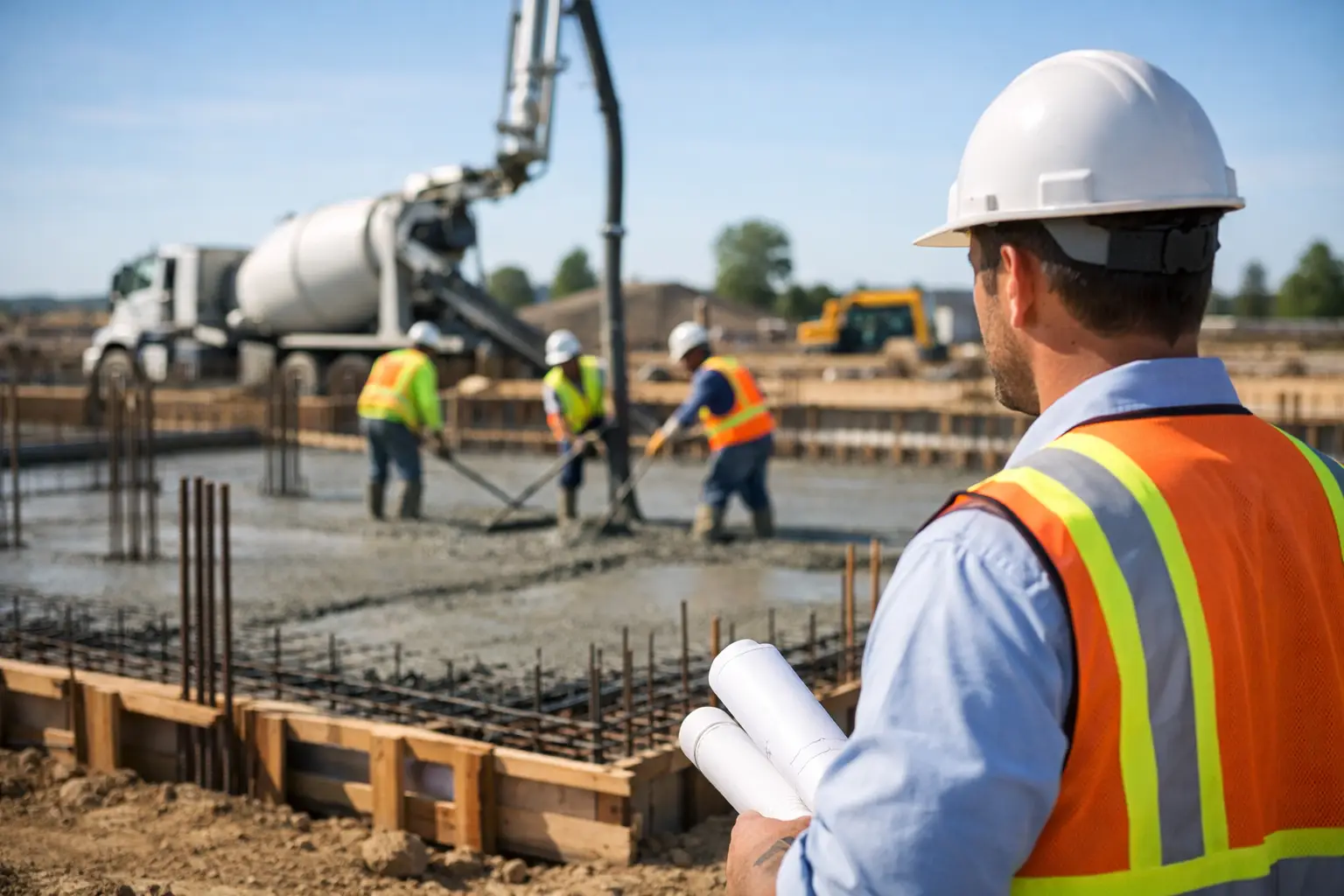
A commercial foundation is not the place to cut corners, rush a decision, or hire based on the lowest number alone. The right commercial concrete foundation contractor helps protect the schedule, structural performance, and long-term value of the entire property. For Bakersfield builders, developers, and property managers, that starts with a contractor who understands the site, the plans, the local conditions, and what it takes to deliver dependable concrete work.
At National Concrete, we believe a foundation project should feel organized from the first conversation. Clear communication, experienced crews, and quality craftsmanship make a real difference when your building depends on what is placed below grade.
What a Commercial Foundation Contractor Should Handle
Commercial foundations are more involved than simply excavating, placing forms, and pouring concrete. Every project has its own requirements based on building use, load demands, soil conditions, grading, utilities, and engineering specifications.
A qualified contractor should be able to review the scope, coordinate the concrete portion of the work with the broader construction schedule, and build to the approved plans. That includes preparing the site, setting forms accurately, placing reinforcement, managing concrete delivery, finishing the work properly, and protecting the concrete while it cures.
The contractor should also know when to raise questions. If site conditions do not match the plans, an experienced crew does not guess. They communicate with the appropriate project contacts before a small issue becomes an expensive delay.
Foundation Work Requires Precision Before the Pour
The visible pour day gets attention, but much of the quality is decided beforehand. Proper layout keeps footings, foundation walls, pads, and slab areas where they belong. Good subgrade preparation supports the concrete and helps reduce the risk of settlement issues later.
Reinforcement placement matters just as much. Rebar, dowels, embeds, anchor bolts, and other components need to be positioned according to the plans before concrete arrives. A reliable crew checks these details carefully because correcting them after the pour is far more difficult and costly.
How to Choose a Commercial Concrete Foundation Contractor
The best fit is not always the largest contractor or the one that promises the fastest start. It is the team with the experience, capacity, and communication style that match your project. Before selecting a commercial concrete foundation contractor, ask practical questions about how they approach the work.
Start with comparable project experience. A contractor who regularly handles commercial slabs, footings, retaining walls, curbing, and structural concrete will better understand the pace and coordination commercial work requires. Ask about projects similar in scale and complexity to yours, not just whether they have poured concrete before.
Next, look at planning and responsiveness. Commercial schedules move quickly, and concrete work often affects multiple trades. You need a contractor who returns calls, provides a clear estimate, confirms the scope, and communicates if conditions or scheduling requirements change. This is one of the biggest differences between an easy project and a frustrating one.
Finally, evaluate craftsmanship and jobsite standards. Concrete has to perform structurally, but clean work also reflects on the entire project. Organized forms, accurate lines, proper finishing, and a crew that respects the site show that the contractor takes the details seriously.
Bakersfield Conditions Can Affect Foundation Planning
Bakersfield and Kern County projects face conditions that deserve local attention. Dry weather, high summer temperatures, wind, varying soil conditions, and fast-moving construction schedules can all affect how a foundation job is planned and placed.
Hot weather can cause concrete to set faster, which makes timing, finishing, and curing especially important. The goal is not to rush the work. The goal is to have the crew, materials, access, and placement plan ready before the trucks arrive. Proper curing practices help concrete develop the strength and durability the project depends on.
Soil and drainage conditions also matter. A foundation design is typically determined by the project engineer, but the contractor must build what is specified on a properly prepared site. If the subgrade is soft, wet, uneven, or disturbed by other activity, it should be addressed before concrete placement. Pouring over a poor base is not a solution.
The Lowest Bid Can Create the Highest Cost
A lower estimate may be appealing, especially on a large commercial project. But price only tells part of the story. Compare what is actually included: excavation, base preparation, forming, reinforcement, concrete volume, pumping needs, finishing, cleanup, curing, and coordination with inspections or other trades.
An estimate that leaves out key work can create change orders, schedule problems, or a lower-quality result. On the other hand, a higher number is not automatically better. The right contractor explains the scope in plain language, identifies assumptions early, and gives you confidence that the quoted work matches the plans.
A Better Process for Commercial Foundation Projects
A smooth foundation project begins with a detailed conversation. The contractor should understand the building plans, foundation type, access requirements, project timeline, and any unusual site constraints. For a new retail space, warehouse addition, office building, multifamily property, or equipment pad, the scope may differ significantly.
Once the scope is clear, the work should move through a logical sequence: site preparation, layout, forming, steel and embed placement, pre-pour checks, concrete placement, finishing, curing, and cleanup. Not every project requires the same steps or timing, but every project benefits from accountability at each stage.
Pre-pour checks are particularly valuable. Before concrete is placed, the crew can verify grades, forms, reinforcement, openings, anchor locations, access, and the readiness of the site. Taking the time to inspect these items helps avoid preventable rework and keeps the pour day focused.
After placement, the foundation still needs attention. Concrete gains strength through curing, and the surface or structure should be protected from unnecessary traffic, damage, or premature loading. A dependable contractor will explain what happens after the pour and what the next trade needs to know before work continues.
Foundation Services That Support the Full Project
Commercial projects often need more than one type of concrete work. Depending on the property and plans, the scope may include spread footings, grade beams, slab-on-grade foundations, equipment pads, retaining walls, site curbing, walkways, ramps, or exterior flatwork.
Working with a contractor that can handle related concrete scopes can simplify coordination and help maintain a consistent standard of work across the site. It also gives the project team one reliable point of contact for concrete craftsmanship instead of several disconnected crews.
That said, the right approach depends on the project. A complex structural foundation may require close coordination with engineers, inspectors, and a general contractor. A smaller commercial pad or addition may move more directly. Good contractors adjust their process to the job without losing attention to quality.
Questions Worth Asking Before You Sign
Before making a decision, ask how the contractor will confirm the scope, prepare the subgrade, follow the foundation plans, manage reinforcement and embeds, and protect the concrete after placement. Ask who will be your point of contact and how schedule changes will be communicated.
You should also ask for a clear explanation of exclusions and site assumptions. Transparency at the estimate stage is a sign of integrity. It helps everyone understand where responsibilities begin and end before equipment arrives on site.
For commercial property owners and project teams in Bakersfield, the goal is straightforward: choose a concrete partner who brings proven expertise without making the process harder than it needs to be. A well-planned foundation gives the rest of the project a solid place to begin, and that confidence is worth building on.